

October 19, 2025

When to Replace Your Tennis Shoes: Signs, Tips & Expert Advice
Every tennis player knows shoes are as vital as the racquet, but how do you know when that trusted pair has reached its limit? While there’s no universal expiration date, your shoes (and your body) will give you signs when it’s time. In this guide, we’ll break down how to evaluate tread wear, upper support, cushioning, and subtle cues from your body, plus share expert tips to extend shoe life and a few top-performing models worth checking out.
1. Why Replacing Your Shoes Matters
Each hour you spend on court takes a toll on your footwear. Outsoles lose grip, midsoles compress, and uppers stretch, all of which reduce stability, cushioning, and traction. Ignoring these changes can increase the risk of slips, strain, or injury. As a general rule, tennis shoes last about 45–60 hours of play, though high-intensity players may need replacements two to four times per year.
Instead of relying only on time, pay attention to what your shoes and feet are telling you.
2. Three Key Areas to Inspect
Tread / Outsole Wear
- Look for smooth or uneven tread. A flat outsole means lost traction and increased slip risk.
- If the midsole foam is visible or holes appear, it’s time for a replacement.
- Hard courts accelerate outsole wear faster than clay or carpet surfaces.
Upper & Structural Integrity
- Fraying, holes, or stretched material indicate loss of lateral support, essential for side-to-side movement.
- Uppers that have ballooned or feel loose reduce foot stability and increase the risk of ankle rolls.
Cushioning / Midsole Compression
- Over time, midsoles flatten and lose responsiveness, transferring more impact to your joints.
- If your shoes feel flat or dead rather than springy, they’ve likely worn out.
- Try the twist test: twist the shoe from heel to toe. Excessive flex means lost structure.
3. Listen to Your Body
Sometimes, discomfort shows up before visible wear does:
- New aches in your feet, knees, or hips suggest reduced shock absorption.
- Blisters or hot spots where there were none before can mean the shoe’s fit has changed.
- Slipping or loss of grip during direction changes is a subtle but serious warning sign.
4. How to Extend Shoe Life
- Wear your court shoes only on the court. Casual use compresses cushioning faster.
- Rotate between two pairs if you play frequently, allowing foam to decompress.
- Clean the outsoles regularly to prevent dirt buildup that accelerates abrasion.
- Store in a cool, dry area away from heat and sunlight.
- Pay attention to feel and stability rather than relying solely on playtime hours.
5. Quick Replacement Checklist
| Condition | Replace? |
|---|---|
| Outsole tread flat, holes visible | Yes |
| Upper frayed or stretched | Yes |
| Cushion feels flat, no bounce | Yes |
| Aches, blisters, or slipping | Likely |
| 45–60 hours of play reached | Time to evaluate |
Top Tennis Shoe Picks at Racquet Vault
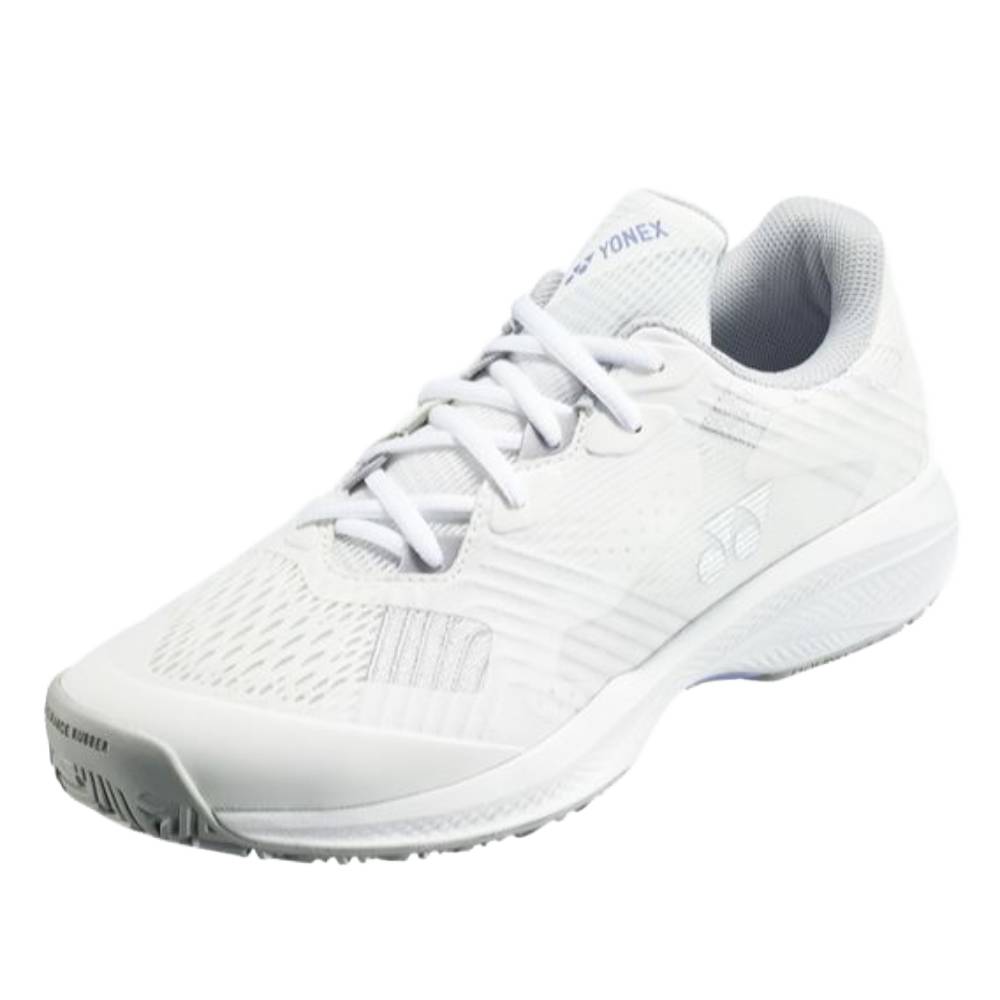
- Yonex Power Cushion Sonicage 2025 Women’s (White/Grey) – lightweight, breathable, and stable.
- K-Swiss Ultrashot 4 Men’s (White/Peacot) – built for explosive lateral movement and durability.
- Babolat SFX 4 AC Women’s (White) – wide fit, excellent cushioning, and breathable upper.
- Yonex Power Cushion Sonicage Men’s – optimized for balance and comfort.
- K-Swiss SpeedTrac Women’s (Raindrops/White/Purple Rose) – ultra-light, fast, and responsive.
- Yonex Power Cushion AD Accel Junior (White) – proper support for young players.
Final Thoughts
Your shoes are more than just gear. They’re your foundation on court. If your tread is worn, cushioning feels dull, or new aches are creeping in, don’t ignore the signs. Regularly checking your footwear keeps you comfortable, supported, and injury-free.
Need expert help finding your next pair? Visit RacquetVault.ca or stop by in-store. Our team will match you with the right fit for your game and surface.
Follow @RacquetVault on Instagram for pro gear tips, exclusive drops, and new arrivals.